
Cruise vs Ocean Liner: Key Differences for Voyagers (2026)
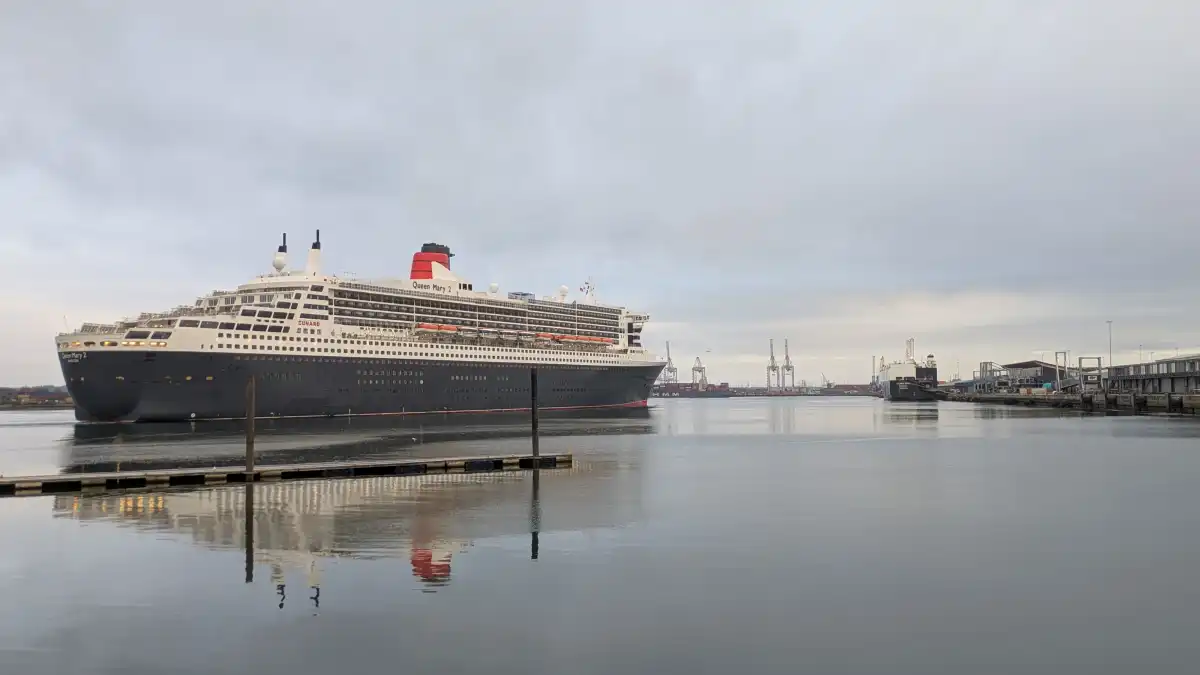
For maritime enthusiasts and luxury voyagers, the distinction between a cruise vs ocean liner is far more than technical jargon. While both types of vessels glide gracefully across international waters, their engineering DNA, historical missions, and onboard atmospheres could hardly be more distinct. Understanding the difference between a cruise vs ocean liner allows sophisticated travelers to select the exact vessel type suited to their nautical aspirations, whether crossing the tempestuous North Atlantic in classic grand style or leisurely island-hopping through sheltered Caribbean cays. This choice often complements our broader cruise vs resort vacation guide, helping travelers choose between grounded retreats and floating sanctuaries.
Modern travelers frequently use maritime terms interchangeably, but naval architects and discerning guests know that every structural detail serves a different purpose. From steel hull thickness and hydrodynamic prow design to onboard social etiquette and maritime speed capabilities, evaluating a cruise vs ocean liner reveals two separate philosophies of deep-sea navigation. In this definitive guide, we explore naval architecture, sea handling, daily traditions, and pricing standards across both categories.
“When comparing the long-term value of a cruise vs ocean liner itinerary, voyagers must evaluate whether their priority lies in visiting diverse coastal ports or experiencing true deep-sea navigation.”
Naval Architecture and Hull Engineering: Cruise vs Ocean Liner
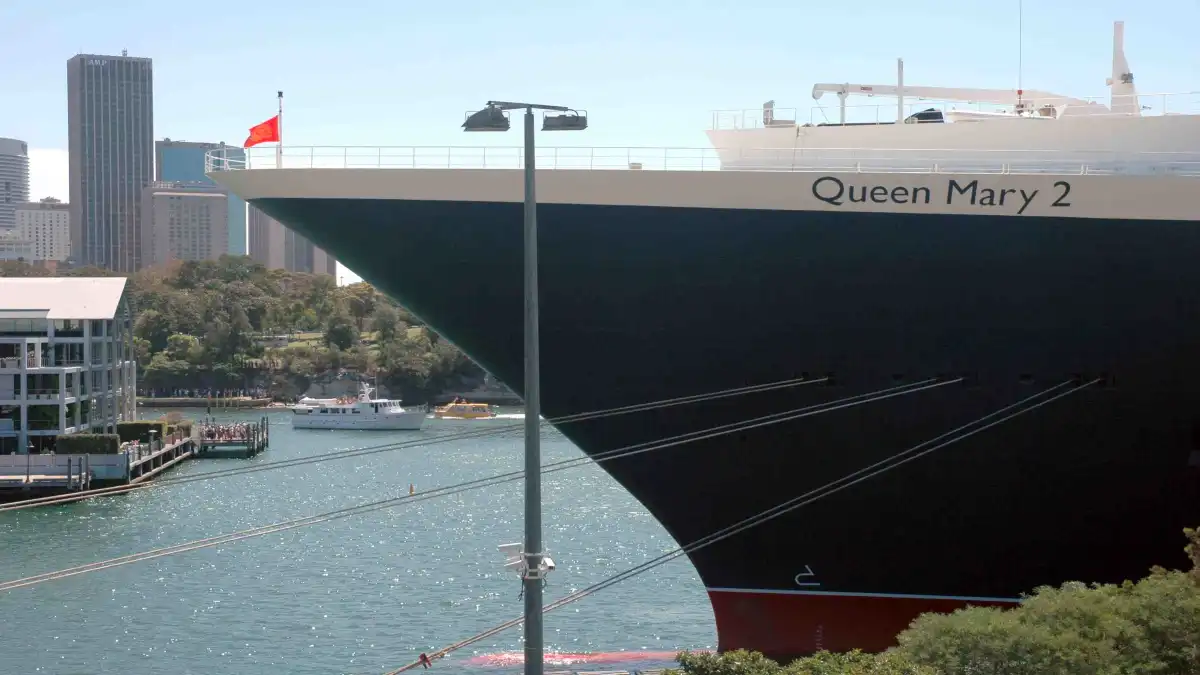
The primary engineering contrast in cruise vs ocean liner vessels lies in their hull strength, draft depth, and hydrodynamic architecture. An ocean liner is purpose-built to conquer open, unpredictable seas on strict point-to-point intercontinental crossings. Vessels like the legendary RMS Queen Mary 2 of Cunard Line feature deep-draft hulls constructed with thick, high-tensile steel designed to absorb punishing swells in the North Atlantic without compromising structural rigidity.
A cruise ship, by comparison, functions as a floating leisure resort engineered primarily for calm, coastal itineraries. Modern cruise ships feature wider, flatter bottom profiles with shallower drafts, allowing them to access delicate coral atolls and shallow harbor channels. While modern boutique vessels—such as those analyzed in our Explora Journeys vs Ritz-Carlton yacht comparison—are exceptionally stable in moderate seas thanks to computer-guided hydraulic stabilizer fins, a cruise ship is not engineered to charge headlong through heavy ocean gales at 28 knots. This naval distinction remains the cornerstone of the cruise vs ocean liner discussion.
|
RECOMMENDED ULTRA-LUXURY CRUISE PLANNING
Comparing Yacht Suites, Exclusive Sailing Dates & Live Allocations?Audit confirmed balcony suites, transatlantic crossings, and Mediterranean yacht berths directly on CruiseDirect with best price guarantee and zero reservation fees. |
Audited VIP Transatlantic and Maritime Voyage Pricing
To provide concrete clarity when considering a cruise vs ocean liner voyage, the following matrix outlines audited, real-world rate benchmarks across premier maritime crossings and luxury cruise routes for two guests:
| Voyage Category | Representative Vessel / Line | Key Inclusions & Experience | Audited Cost (Double) | Live Booking |
|---|---|---|---|---|
| Transatlantic Ocean Liner (Queens Grill) | RMS Queen Mary 2 (Cunard) | Dedicated butler, Queens Grill dining, private lounge | From $8,900 – $19,500 | Check Live Price → |
| Transatlantic Ocean Liner (Britannia) | RMS Queen Mary 2 (Cunard) | Balcony stateroom, formal gala nights, planetarium | From $3,200 – $6,400 | Check Live Price → |
| Ultra-Luxury Cruise Repositioning | Silver Dawn / Regent Splendor | All-inclusive dining, premium spirits, excursion credits | From $11,500 – $24,000 | Check Live Price → |
| Luxury Yacht Expedition Cruise | Scenic Eclipse / Seabourn Venture | Helicopter access, zodiac tenders, submarine dives | From $14,800 – $32,000 | Check Live Price → |
| Bespoke Private Ocean Crossing | 120ft+ Superyacht Transoceanic | Private crew of 8, bespoke culinary menu, custom route | From $45,000 – $95,000 | Check Live Price → |
For voyagers planning complete budgets across all-inclusive cruise lines, our comprehensive luxury cruise cost breakdown details how suites, beverage packages, and gratuities compare across maritime brands.
Speed, Sea-Keeping, and Schedule Precision
Speed and sea-keeping capability further define the divide between a cruise vs ocean liner. Ocean liners were historically commissioned as mail and passenger vessels operating under tight, contractual schedules between major continents. Because transatlantic winter weather is notoriously unpredictable, ocean liners require powerful propulsion plants capable of sustaining speeds over 26 to 30 knots, slicing cleanly through rolling swells with minimal pitch and roll.
Conversely, contemporary luxury cruise vessels cruise at leisurely cruising speeds of 18 to 21 knots, maximizing fuel efficiency and optimizing guest comfort in calm seas. When unfavorable storm systems develop, cruise captains can alter itineraries and redirect toward alternate ports. An ocean liner embarking on a scheduled transatlantic crossing—such as the iconic routes highlighted in our curated guide to luxury cruises from New York—maintains its heading toward its destination port regardless of surface weather, relying on its deep bow and heavy displacement to ride out turbulent waters.
Atmosphere, Daily Culture, and Onboard Traditions
Beyond steel and propulsion, the lifestyle aboard a cruise vs ocean liner caters to distinctly different traveler temperaments. Stepping onto an ocean liner evokes the golden era of sea travel. The interior layouts emphasize grand double-height ballrooms, maritime libraries with thousands of hardcover volumes, afternoon high tea served by white-gloved waiters, and formal black-tie gala evenings where classic sartorial standards are honored.
Conversely, the modern luxury cruise environment embraces contemporary resort casual elegance. Ships prioritize expansive outdoor pool decks, multi-story waterparks, casual poolside grills, open-seating restaurants, and high-energy evening entertainment. Rather than structured maritime traditions, a cruise vessel focuses on active leisure, wellness thermal suites, and effortless access to port excursions.
For voyagers weighing cruise vs ocean liner experiences, the question becomes one of lifestyle immersion: do you seek the refined pageantry and contemplative rhythm of classic navigation, or do you crave vibrant, contemporary leisure with dynamic social programming?
Interior Spatial Design, Promenade Decks, and Motion Stability
Spatial geometry marks another defining distinction between a cruise vs ocean liner. Ocean liners feature deeply recessed passenger accommodations and enclosed wrap-around teak promenade decks engineered to shield voyagers from gale-force Atlantic spray. The center of gravity is intentionally kept low, with public grand venues placed along the ship’s centerline to minimize centrifugal motion during roll cycles.
Modern cruise vessels, conversely, maximize exterior balcony real estate. Tiered cantilevered decks and soaring superstructure heights create the signature floating hotel silhouette. While this design offers breathtaking 180-degree balcony panoramas in sunny tropical waters, it creates a much higher center of gravity and significantly larger surface windage. In turbulent open-ocean crossings, passengers on upper decks of modern cruise ships will feel significantly more lateral sway than those within the deeply nestled staterooms of a purpose-built ocean liner.
Culinary Pacing, Service Class Tiers, and Maritime Gastronomy
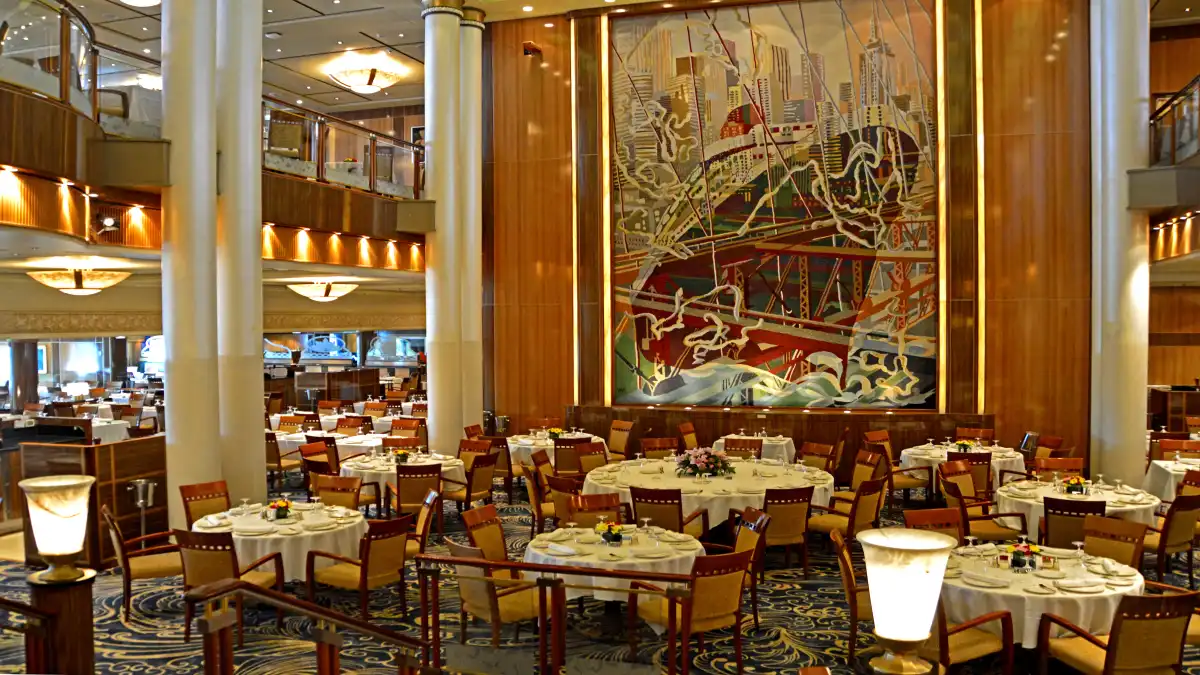
The culinary philosophy separating a cruise vs ocean liner journey is steeped in maritime heritage. On classical ocean liners, dining continues to reflect the traditional tiered restaurant structure. Guests booked in Queens Grill or Princess Grill suites dine in exclusive, single-seating dining rooms where personal maître d’s prepare table-side flambé dishes and accommodate off-menu requests. Britannia stateroom guests enjoy two traditional evening seatings in soaring, multi-tiered dining salons reminiscent of the grand golden era.
Contemporary luxury cruise ships, in contrast, champion flexible dine-around freedom. Guests choose between multiple intimate specialty venues each evening—ranging from Tuscan trattorias to contemporary Pan-Asian fusion—without rigid seating schedules. Dress codes aboard contemporary luxury lines like Explora Journeys and Seabourn lean into elegant resort wear, offering culinary sophistication without the mandatory tuxedo or evening gown attire prevalent on classical ocean liner transatlantic crossings.
Destination vs Journey: The Core Dilemma
Perhaps the most profound philosophical contrast in the cruise vs ocean liner debate is the relationship between the ship and its destination. On a cruise, the ship serves as a mobile launching pad for coastal discovery. Ports of call are the prime attraction; guests anticipate waking up each morning to disembark and explore historic cities, private beaches, and remote islands.
On an ocean liner, the ship itself is the destination. During a classic 7-night crossing from Southampton to New York, there are zero intermediate ports of call. The voyage is an uninterrupted oceanic passage across the vast blue wilderness. Travelers dedicate their days to intellectual lectures, chamber music recitals, ballroom dancing, and hours of peaceful ocean gazing from teak promenade decks. In this sense, the cruise vs ocean liner distinction represents two opposite travel philosophies.
Summary of Key Differences: Which Journey Fits You?
To conclude your evaluation of a cruise vs ocean liner voyage, consider the following decision points:
- Select an Ocean Liner if you cherish formal maritime heritage, transatlantic non-stop crossings, literary lectures, and the unhurried elegance of black-tie gala evenings at sea.
- Select a Luxury Cruise Ship if your priority is warm weather port exploration, varied culinary choices, vibrant sundecks, and flexible dress codes across sunny coastal regions.
- Consider a Boutique Expedition Vessel if your focus is navigating remote polar fjords or shallow coral barrier reefs inaccessible to massive commercial vessels.
Both vessel classifications occupy exalted positions in maritime travel. By discerning the technical, cultural, and operational differences of a cruise vs ocean liner, you can ensure that your next deep-sea adventure delivers an extraordinary voyage tailored to your personal aesthetic.
“Ultimately, weighing a cruise vs ocean liner vacation comes down to whether you prefer modern resort-style island hopping or the timeless prestige of a classic transatlantic crossing.”
Frequently Asked Questions: Cruise vs Ocean Liner
Are ocean liners still built today, or are modern vessels strictly cruise ships?
The RMS Queen Mary 2, launched in 2004 by Cunard Line, remains the sole purpose-built commercial ocean liner operating scheduled passenger service today. The vast majority of new builds are cruise ships engineered for Caribbean, Mediterranean, or polar expedition itineraries rather than scheduled year-round transatlantic voyages.
How do ocean liners handle rough open-sea conditions compared to cruise ships?
Ocean liners handle turbulent sea conditions with superior natural buoyancy and momentum due to their deep V-shaped displacement hulls and thick high-tensile steel construction. Cruise ships rely heavily on retractable hydraulic stabilizers to limit side-to-side roll, which is highly effective in moderate seas but less suited to navigating continuous North Atlantic winter gales at high velocity.
Is the onboard dress code stricter on an ocean liner than on a luxury cruise ship?
Yes. Ocean liner crossings retain formal maritime traditions, including dedicated black-tie gala evenings where tuxedos and formal evening gowns are worn in main restaurants and ballroom salons. Luxury cruise lines typically enforce elegant resort casual attire, reserving black-tie exclusively for optional formal nights.
🛡️ Essential VIP Travel Logistics
- Flight Delay & Cancellation Claim Recovery: Recover legal compensation for delayed or canceled flights to your departure port or resort with AirHelp Flight Compensation.
- Comprehensive International Travel & Cruise Health Shield: Safeguard your luxury journey with comprehensive international medical coverage and emergency medical evacuation via EKTA Travel Health Shield.
- Encrypted High-Speed Maritime Connection: Safeguard mobile concierge bookings, financial accounts, and private messaging across shipboard and hotel Wi-Fi networks using NordVPN High-Speed Security.
📌 Curated Maritime Voyage & Shore Transfer Directory
Check live transatlantic cabin availability, verified cruise rates, and accredited VIP port transfers through vetted partner channels:
🚢 Transatlantic Crossing & Cruise Suite Deals
Compare verified Queen Mary 2 crossings and ultra-luxury cruise itineraries with best rate guarantees and onboard credits.
⚓ VIP Private Harbor Yacht Charter & Champagne Sunset Cruise
Sail into historic departure harbors aboard a private luxury yacht with dedicated crew, open bar, and gourmet canapés.
🚗 Executive Chauffeur Pier Transfer & Luggage Concierge
Enjoy seamless door-to-gangway private Mercedes S-Class or V-Class transfers with dedicated baggage handling service.